
A misspelled name, old address, or phone number may seem minor until it appears beside accounts that are not yours. Knowing how to correct personal information on your credit reports helps you clean up your file, spot possible mixed-credit issues, and make sure lenders see information that actually belongs to you.
Personal details do not directly raise or lower your credit score. Your payment history, balances, account age, and credit inquiries drive scoring. But inaccurate identifying information can create confusion, make fraud harder to detect, or point to a credit file that has been mixed with someone else’s. When you are preparing for a mortgage, auto loan, rental application, or better financing terms, a clean and accurate report matters.
Start by Reviewing All Three Credit Reports
The three major credit bureaus – Equifax, Experian, and TransUnion – can each hold different personal information. One bureau may show an old address while another shows a variation of your name you have never used. Review every report carefully rather than assuming an update with one bureau will automatically appear on the others.
Look at the personal information section near the beginning of each report. Check your full name, current and previous addresses, Social Security number variations, date of birth, employers, telephone numbers, and any aliases. Some old information can be legitimate, especially a prior address or former employer. The priority is information that is plainly wrong, unfamiliar, or connected to someone else.
As you review the reports, compare the personal information against the accounts listed below it. An unfamiliar address next to unfamiliar accounts deserves immediate attention. This can happen when two consumers with similar names or Social Security numbers have files that become partially combined. It can also be an early sign of identity theft.
How to Correct Personal Information With Each Bureau
You generally need to submit a correction request directly to the bureau reporting the error. The request should clearly identify the item you want corrected, explain why it is inaccurate, and include documents that support the change. Keep the request focused. A short, factual explanation is often stronger than a long, emotional account.
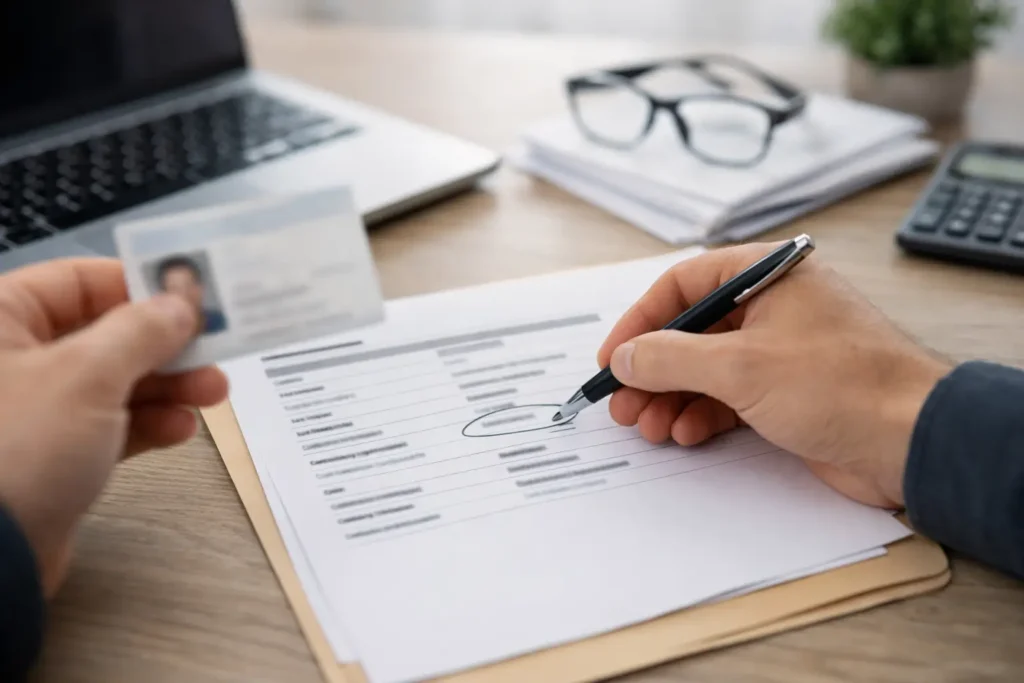
For a wrong name, date of birth, or Social Security number variation, provide a copy of a government-issued photo ID and documentation that confirms the correct information. For an incorrect address, a recent utility bill, bank statement, lease, or insurance document can help establish your current residence. If your name changed because of marriage, divorce, or a legal name change, include the relevant legal documentation.
You can usually begin through the bureau’s dispute process by mail, phone, or online. Mailing your request gives you a stronger paper trail, particularly if the error is tied to accounts you do not recognize. Send copies, never original documents, and save everything you submit. If you mail the dispute, consider using a delivery method that confirms receipt.
Your request should include your identifying details, the report number if available, the inaccurate item, the correction requested, and copies of your proof. For example: “Please remove the address at 125 Oak Street because I have never lived there. My current address is shown on the attached utility statement.” Clarity helps the reviewer understand exactly what needs to be investigated.
Do Not Dispute Accurate Information Just Because It Is Old
Not every old address, employer, or name variation needs to come off your report. If an old address is genuinely yours, it may remain in the personal information section even after you move. That alone does not damage your score or prevent approvals.
The same principle applies to negative accounts. Removing an old address will not remove a late payment, collection, charge-off, or hard inquiry that is accurately connected to you. Credit bureaus and furnishers can verify valid account history using information beyond a single address. A correction request works best when it targets a real factual error.
This distinction saves time and keeps your efforts focused on items that can affect your credit profile. If the account itself is inaccurate, incomplete, obsolete, or cannot be verified, it may require a separate dispute with the bureau and the company reporting it.
Watch for Signs of a Mixed Credit File
A mixed file is more serious than a typo. It means information belonging to another person may be appearing in your credit history. Similar names, shared family names, addresses with relatives, and data-entry mistakes can all contribute to the problem.
Review your reports for unfamiliar accounts, addresses, employers, and inquiries. Pay close attention if the report shows a name that is similar to yours but not correct, or if the accounts do not match your age, location, or borrowing history. Do not assume an unfamiliar account is harmless just because it has a positive payment record. It still does not belong in your file and could complicate future applications.
When you find a possible mixed-file account, dispute both the incorrect personal information and the account itself. Explain that the account does not belong to you and provide supporting documentation where appropriate. Continue monitoring all three reports until the problem is resolved. One corrected report does not guarantee the same error is absent from the others.
If You Suspect Identity Theft, Move Faster
A wrong address can be a reporting mistake. It can also be a warning that someone used your information to open credit in your name. If you see accounts, inquiries, or personal details you do not recognize, take action before the damage grows.
Start by placing a fraud alert or security freeze with the credit bureaus. A freeze restricts new lenders from accessing your report for most new credit applications, which can make it much harder for an identity thief to open additional accounts. Review your bank and credit card statements as well, and contact creditors associated with fraudulent accounts.
Document every call, letter, confirmation number, and submission. Identity theft cases often involve several parties, and organized records make follow-up easier. If you file an identity theft report, include the relevant documentation in disputes involving fraudulent accounts.
Follow Up Until the Update Is Complete
Credit bureaus generally investigate disputes within a limited period, often 30 days, although timing can vary based on the situation and the information submitted. Do not treat the dispute as finished simply because you clicked submit. Review the results notice and pull an updated report to confirm the correction was made.
If the bureau corrects the personal information but an unfamiliar account remains, dispute that account separately. If the bureau says the information was verified but you still have documents showing it is wrong, send a follow-up with clearer evidence. You may also contact the company that supplied the information, such as a lender, collector, or bank, and ask it to investigate its records.
Keep your file organized with copies of reports, dispute letters, identification documents, supporting records, and responses. That paperwork is valuable if an error reappears or you need to escalate the matter. Credit reporting mistakes are frustrating, but consistent follow-up often makes the difference between a temporary response and a complete correction.
Get Help When Errors Reach Beyond Personal Details
Correcting a wrong address is usually manageable. It becomes more complicated when inaccurate personal details are connected to late payments, collections, charge-offs, medical bills, hard inquiries, or accounts that do not belong to you. Those issues can affect your score and your ability to qualify for the financing you need.
A professional review can help separate harmless old information from errors that deserve immediate action. Express Credit Boost works with consumers who want a clear strategy for challenging inaccurate negative items and improving the overall condition of their credit profile. The right approach depends on what is reporting, who furnished it, and whether the information can be verified.
Do not wait until a lender denies your application to check for errors. Set aside time to review your reports, correct what is wrong, and keep records of every step. A cleaner, more accurate credit file gives you a stronger starting point when your next opportunity arrives.