
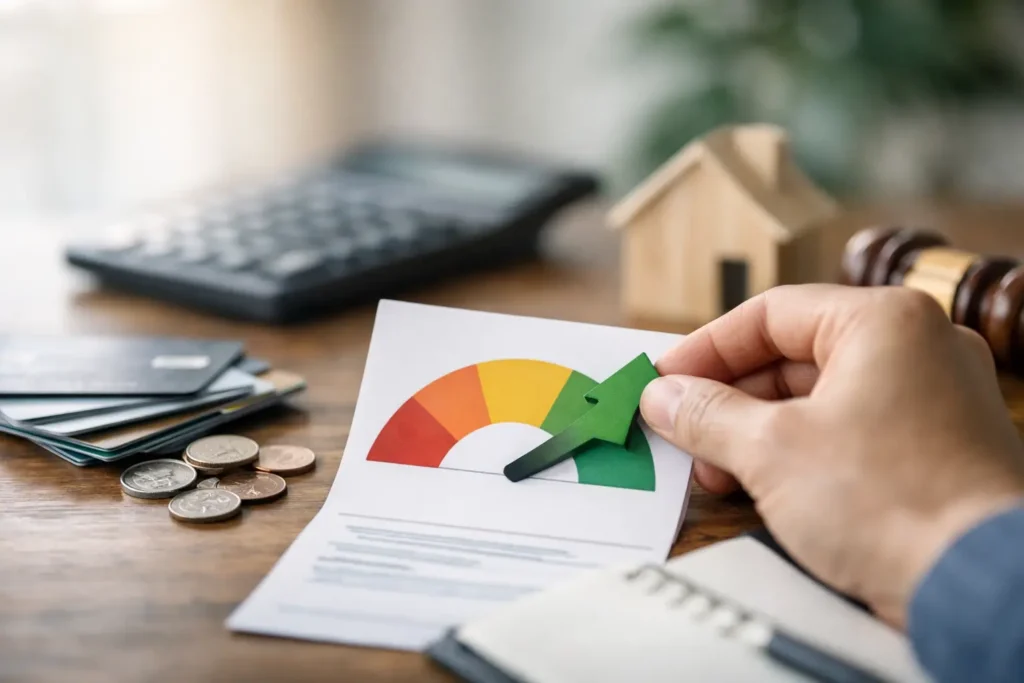
A charge-off can drop your score, trigger denials, and make it feel like every lender sees a red flag before they see you. If you are searching for how to raise score after charge off, the good news is this – your credit is damaged, but it is not stuck.
What matters now is what the charge-off is doing on your reports, whether the balance is still being reported correctly, and what positive activity you build around it. Many people waste months making random moves that do little for their score. A faster recovery starts with a plan.
What a charge-off really does to your credit
A charge-off means the creditor has written the account off as a loss, usually after months of missed payments. That accounting move does not erase the debt. It can still be collected, sold, or reported with a balance.
From a scoring standpoint, the damage usually comes in layers. First, the late payments leading up to the charge-off hurt your payment history. Then the charge-off itself lands as a major derogatory mark. If the account still shows a balance, it can continue affecting utilization or signal unresolved debt, depending on the account type and how it is reported.
The age of the charge-off matters too. Newer derogatory accounts usually hit harder than older ones. That is why someone with a charge-off from six months ago may need a different strategy than someone with one that is four years old.
How to raise score after charge off without wasting time
The fastest path is not one single trick. It is a sequence. You need to verify the reporting, deal with the balance strategically, and add positive activity that scoring models can reward.
Start by pulling all three credit reports. Do not assume the account is being reported the same way everywhere. One bureau may show a balance, another may show a transfer, and another may show outdated payment status. Small reporting errors can make a real difference.
Next, look at whether the charge-off is accurate and complete. If dates, balances, account status, payment history, or ownership details are wrong, that is not a minor issue. Inaccurate negative reporting should be challenged. A properly disputed error can lead to an update or removal, and removal is where the biggest score gains often happen.
After that, build your recovery around the rest of your file. A charge-off hurts less when the rest of your report starts showing current, clean, low-risk behavior.
Should you pay a charge-off?
This is where people get mixed advice. Paying a charge-off can help in some cases, but it is not automatic score magic.
If the account is still reporting a balance, resolving it may help your profile look better to lenders, especially manual underwriters. In some newer scoring models, paid collections are treated more favorably, but charge-offs do not always respond the same way. Sometimes paying changes little on the score itself if the derogatory mark remains.
That does not mean paying is pointless. It depends on your goal. If you are trying to qualify for a mortgage, auto loan, or rental soon, a paid charge-off may be better than an unpaid one. Some lenders care less about the score change and more about whether the debt is still open and unresolved.
Before paying, confirm who owns the debt and how the account will be reported afterward. Ask whether the balance will update to zero and whether there is any path to deletion. Do not send money first and ask questions later.
Disputing errors can be the turning point
If you want real movement, accuracy matters. A charge-off must be reported completely and correctly. That includes the date of first delinquency, balance, monthly payment history, account status, and whether the debt was sold or transferred.
Problems often show up when an original creditor reports a balance after selling the account, or when dates are inconsistent across bureaus. In some files, the same debt creates duplicate damage through a charge-off and a separate collection account with conflicting details.
When that happens, a targeted dispute can be one of the strongest ways to improve your score. This is where experienced help can speed things up. A professional review can spot issues most consumers miss, especially when multiple derogatory items are interacting on the same report.
If the charge-off is verified as accurate, you still are not out of options. The focus then shifts to minimizing the damage and strengthening everything around it.
Add positive accounts that can offset the damage
If you are serious about how to raise score after charge off, you need fresh positive data. Credit scoring looks for signs that your current behavior is more reliable than your past.
A secured credit card can help if you keep the balance low and pay on time every month. A credit-builder loan may also add positive payment history. If you already have open revolving accounts, bringing those balances down can create faster score improvement than opening something new.
The key is not just having credit. It is using it the right way. Keep revolving utilization low, ideally well below 30 percent and often lower for the best scoring impact. Never miss a due date. One new late payment can cancel out weeks or months of progress.
If you have a family member with a long-standing credit card in good shape, becoming an authorized user may help in some situations. It depends on the card history, utilization, and the scoring model involved, so results vary.
Stop the hidden score drains
Many people focus so hard on the charge-off that they ignore the rest of the file. That is a mistake.
A maxed-out card, recent hard inquiries, old addresses tied to mixed data, or a collection account you forgot about can all keep your score down. Sometimes the charge-off is the headline problem, but not the only reason you are stuck.
Review your full report for late payments, collections, inaccurate personal information, duplicate accounts, and high utilization. If you are carrying balances on active credit cards, paying those down may give you a quicker score lift than almost anything else.
Also avoid applying for too much new credit while rebuilding. If you are already in a fragile score range, multiple inquiries and new accounts can make lenders even more cautious.
How long does it take to recover?
There is no honest one-size-fits-all answer. Recovery depends on how recent the charge-off is, whether it is accurate, whether it gets updated or removed, and what the rest of your credit file looks like.
If the charge-off is removed because of inaccurate reporting, the impact can be meaningful and sometimes fast. If it stays, improvement usually comes from reducing balances, adding positive history, and letting time soften the derogatory item.
Someone with one charge-off and otherwise decent credit may recover much faster than someone with several collections, high card balances, and recent late payments. That is why generic advice often falls short. Your file tells the real story.
When expert help makes sense
You can try to handle everything on your own, but charge-offs are one of the areas where mistakes cost time. Sending weak disputes, paying the wrong party, or failing to catch reporting violations can delay your progress.
If you need results for a mortgage, car loan, apartment, or better financing terms, a professional review can help you prioritize the moves that matter most. Express Credit Boost works with consumers who need a faster, more focused path to credit recovery, especially when charge-offs, collections, and other negative items are standing in the way.
That kind of support is not about doing something magical. It is about knowing what to challenge, what to fix first, and how to build score strength while avoiding setbacks.
The smartest next move
A charge-off is serious, but it does not get the final word unless you let it. The strongest credit recoveries happen when you stop guessing, review the reporting closely, fix what should not be there, and build fresh positive history that lenders can trust. Start there, stay consistent, and give your score a reason to move in the right direction.